Track · Feb 18, 2026 · English
Groom And His Groom To Be
McDiculous30004 plays
Plays
4
Likes
0
Duration
3:47
Language
English
Lyrics
At the Long Table in November
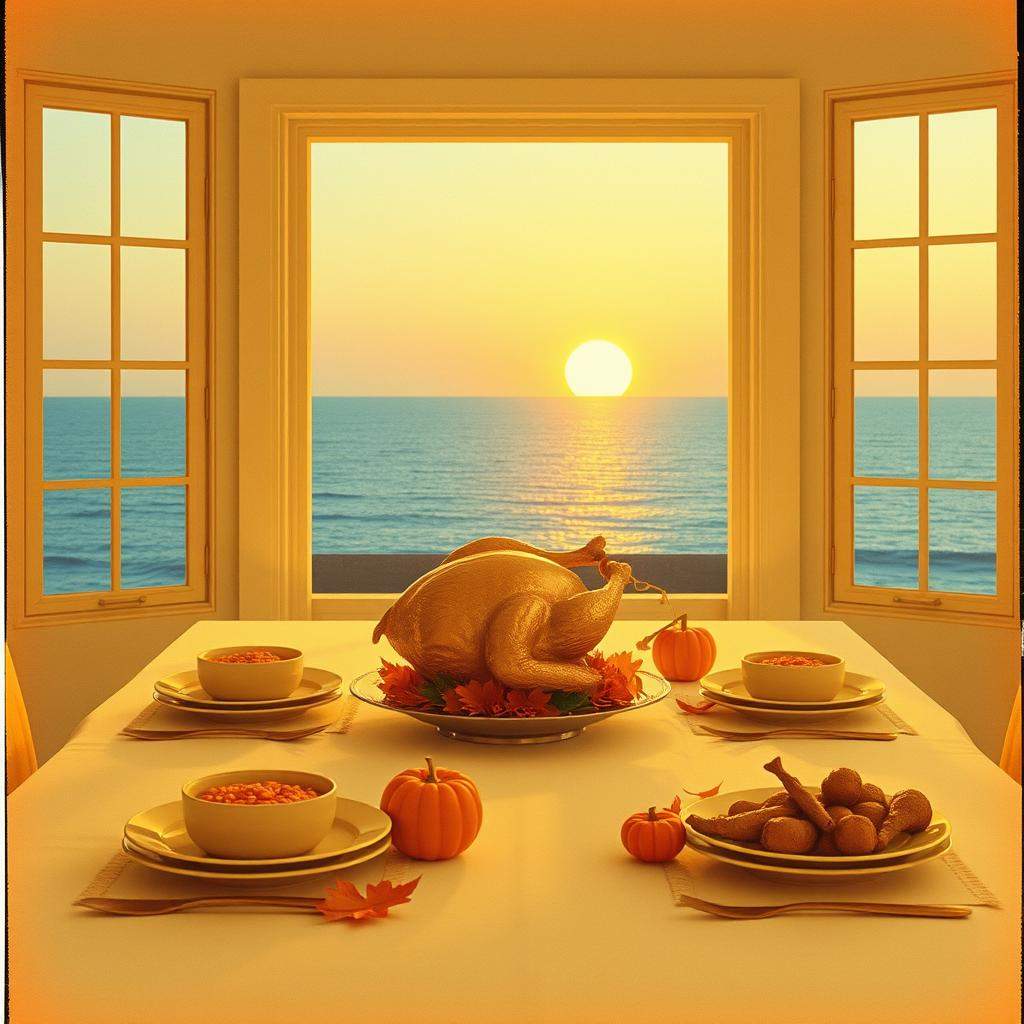
The turkey lay bronzed and shining
like a small, obedient sun
at the center of the table.
Gravy steamed in its porcelain boat.
Cranberries trembled like held breath.
Ryan Groom cleared his throat
between the passing of bread
and the scraping of a carving knife.
Outside, the wind worried the last leaves
into letting go.
“Mom. Dad.”
Two words set down heavier
than the platter of mashed potatoes.
Football murmured from the other room.
An uncle laughed at nothing.
A fork paused midair.
“I met someone,” he said,
and the sentence stretched wide as ocean.
Not from church,
not from town,
not from the safe orbit of family friends—
but from a deck slick with salt,
from a horizon without fences,
from a ship that groaned like an old hymn.
He told them about the sea first:
how it makes equals of all men,
how it sands down the sharp edges of fear,
how the sky at dusk can turn
even doubt into gold.
And then he told them about him—
the old man with hands like weathered rope,
with laughter creased deep as tide charts,
who spoke of constellations
as if they were family stories.
“He taught me how to read the wind,”
Ryan said.
“How to listen when silence
isn’t empty but full.”
The word gay arrived gently,
not as a crash of waves
but as a tide that had been rising
for years.
His mother’s napkin folded and unfolded.
His father stared at the turkey
as though it might offer counsel.
The room held its breath
like the second before a storm breaks—
or clears.
“I love him,” Ryan said,
the simplest truth
in a house built of many.
“And I want to marry him.”
Outside, a branch tapped the window—
a patient knock.
The football crowd roared
for reasons unrelated to courage.
Thanksgiving, after all,
is about crossing waters,
about arriving changed,
about making a table
where there wasn’t one before.
Ryan reached across the linen
toward hands that had once steadied
his first uncertain steps.
The sea had given him a compass.
Now he waited
to see if home
could be a harbor too.
Style
folkcountrybluegrassenglish
Credits
Prompt by McDiculous3000
McDiculous3000GeneratedFeb 18, 2026
ModelZona